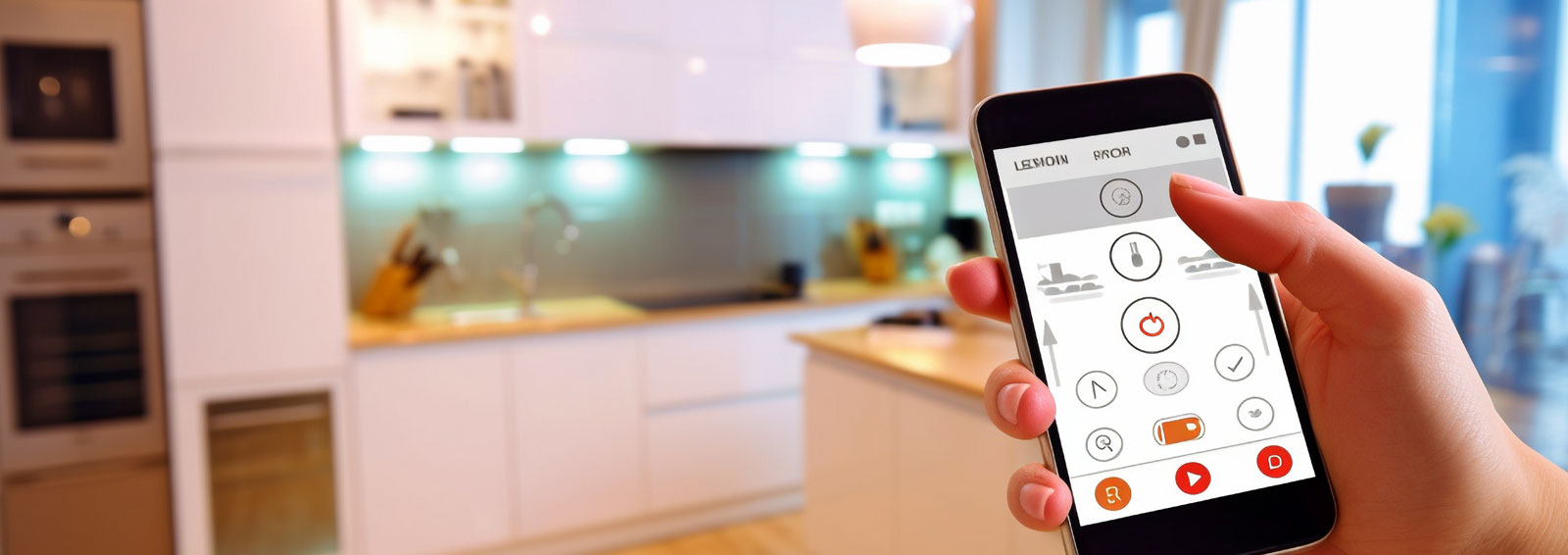
Net Zero Energy Goals for Homes: A Practical Guide
Last Updated: November 21, 2026
Quick Summary
Net zero energy goals for homes aim for a household to produce, over a year, roughly as much energy as it consumes from the grid. Reaching that balance means reducing demand through efficiency first, then sizing solar and storage to cover what remains.
- Measure annual grid import against on-site generation, since net zero is an annual accounting target.
- Fix insulation, air sealing and heating efficiency before installing solar, so the array is sized to real demand.
- Use twelve months of bills or smart meter data to size solar and batteries to your actual consumption profile.
- Track daily grid import, solar export and major loads through a home energy management system to measure progress.
Table of Contents
- What Net Zero Energy Means for a Home
- Net Zero Energy vs Net Zero Carbon: Which Goal Fits Your Home
- Start with Home Energy Efficiency
- Matching Solar Panels and Home Batteries to Your Load
- Using a Home Energy Management System to Track Progress
- A Staged Retrofit Plan for Existing Homes
- Booking Your Net Zero Energy Assessment with Cube Automation
- Frequently Asked Questions
What Net Zero Energy Means for a Home
A net zero energy home produces, over a year, roughly as much energy as it consumes, which is the core of net zero energy goals for homes.
Many homeowners find the concept clearer when they break the household's energy use into categories. Heating and cooling, hot water, lighting, cooking and appliances each draw on the grid in different amounts and at different times.
Net zero energy goals for homes are an annual accounting target, not a moment-by-moment one.
Net Zero Energy vs Net Zero Carbon: Which Goal Fits Your Home
Net zero energy and net zero carbon are related but not identical, and the difference determines what you measure, what you buy, and when you can claim success. A net zero energy home balances its energy use over a year.
The distinction matters for decisions about gas appliances and the grid. A home that is net zero energy but still burns gas for heating may not be net zero carbon.
How each goal is actually measured
Net zero energy is an accounting exercise with a defined boundary. The boundary is usually set at the meter: the home's annual grid import is compared with its annual export, and on-site generation is counted against consumption. The result is expressed as a balance, not a snapshot.
Net zero carbon adds a conversion step. Imported electricity carries an emissions intensity that varies with the grid mix, and gas burned carries its own combustion emissions.
The boundary question homeowners overlook
Watch out: the most common error is counting only electricity and ignoring gas, or counting only the home's direct energy and ignoring the emissions embedded in the equipment itself. Operational carbon and embodied carbon are different ledgers, and most household claims address only the operational side. If the goal is a defensible net zero carbon position, the boundary should be stated explicitly, typically operational energy at the meter, with gas included, before any equipment is chosen.
Which goal to start with
For most households, starting with net zero energy is the more practical goal. It is measurable from electricity bills and inverter data, and the steps it involves, efficiency, solar and storage, also move the home toward lower emissions.
A useful way to sequence the two goals is to treat net zero energy as the annual balance target and net zero carbon as the emissions target that follows once the balance is stable. Homes that electrify first and add generation second often reach both at once; homes that add solar first and electrify later usually reach net zero energy but stall on carbon until the gas loads are replaced.
Start with Home Energy Efficiency
Reducing demand comes before generation. Every kilowatt-hour a home avoids using is one that solar and batteries do not have to supply, which lowers the system size needed to reach net zero. Efficiency is usually the cheapest lever available.
The practical starting points are usually these:
- Insulation and air sealing: Reducing heat loss through the roof, walls and gaps around windows and doors lowers heating and cooling loads.
- Efficient heating, cooling and hot water: Heat pumps typically deliver more heat per unit of electricity than resistance heating, and modern hot water systems can cut the energy spent heating water.
- LED lighting and controls: Replacing older lamps and adding occupancy or timed control removes waste that accumulates across the day.
- Automated control of loads: Whole-home automation can schedule heating, cooling and lighting so energy is used only when rooms are occupied.
A common mistake is installing solar before fixing the envelope. A home that leaks heat will still need heavy air conditioning, and the solar system will be undersized for real demand. Measure first, then size generation to the reduced load.
Australian Government guidance on home energy efficiency
The article lists the main efficiency levers a homeowner can pull before adding any generation.
| Lever | What it does | Key point |
|---|---|---|
| Insulation and air sealing | Reduces heat loss through roof, walls and gaps | Lowers heating and cooling loads |
| Efficient heating and hot water | Heat pumps deliver more heat per unit of electricity | Cuts energy spent on heating |
| LED lighting and controls | Replaces older lamps and adds timed or occupancy control | Removes waste across the day |
| Automated load control | Schedules heating, cooling and lighting | Uses energy only when rooms are occupied |
Matching Solar Panels and Home Batteries to Your Load
Once demand is reduced, the next step is sizing generation to match what remains.
Sizing starts with the home's actual consumption profile, usually read from twelve months of bills or smart meter data.
Electric vehicle charging adds a large, flexible load. Scheduling EV charging to coincide with solar generation can absorb surplus that would otherwise be exported.
Using a Home Energy Management System to Track Progress
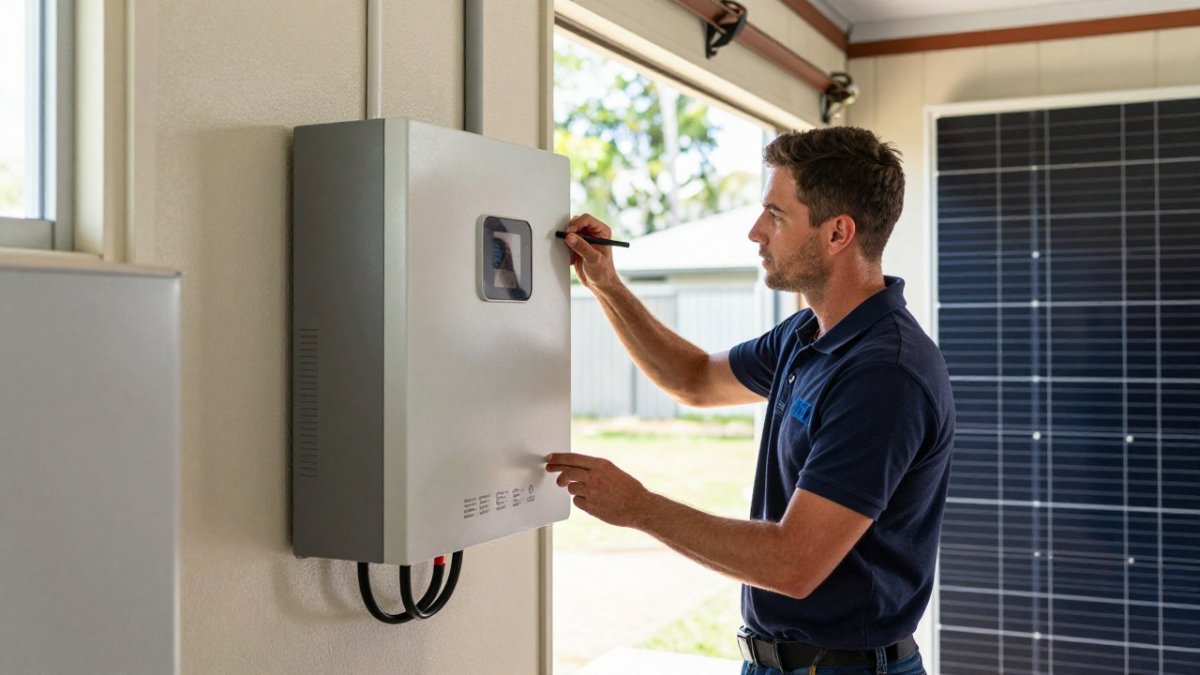
Net zero is an annual target, so progress needs to be measured continuously rather than guessed at from one bill. A home energy management system brings together generation, consumption, battery state and grid imports into a single view.
The most useful data points to track are daily grid import, daily solar export, battery cycling and the consumption of major loads such as hot water, heating and EV charging.
Australian Energy Regulator guidance on smart meters and consumer energy data
A Staged Retrofit Plan for Existing Homes
Most homeowners cannot reach net zero in a single project. A staged plan spreads the cost and lets each stage inform the next. The sequence that tends to work best is efficiency first, then electrification of major appliances, then generation and storage, then monitoring and optimisation.
A practical order looks like this:
- Audit current use. Pull twelve months of bills and note the major loads.
- Fix the envelope. Address insulation, sealing and shading before touching equipment.
- Replace the highest-use appliances. Heat pumps and efficient hot water systems usually come first.
- Size and install solar. Use the reduced load to choose the array size.
- Add battery and EV charging. Match storage and flexible loads to the generation profile.
- Monitor and adjust. Review the annual balance and tune schedules.
Why the sequence matters more than the list
The order is not arbitrary. Each stage changes the load that the next stage has to serve. Fixing the envelope first reduces heating and cooling demand, which means a smaller heat pump and a smaller solar array can do the same job.
A common pattern is that homeowners who electrify before adding generation see their electricity bills rise in the short term, because gas spending shifts to the electricity account. That is expected, not a failure, the running cost falls once solar and storage are sized to the new, all-electric load.
Prioritising when budget is limited
When the full plan cannot be funded at once, the highest-return early steps are usually envelope sealing and insulation, because they reduce demand permanently and cost less than equipment replacement. Appliance replacement comes next, starting with the highest-use item, often hot water or heating.
Watch out: incentives and payback periods differ by state and by product, and rebate eligibility can change between stages. Confirm current rebates and costs before committing to a sequence, and keep records of each upgrade so later stages can be sized against verified data rather than estimates.
What each stage should deliver
Each stage should deliver measurable savings on its own, so the home improves even if later stages are delayed. The audit establishes a baseline; the envelope work lowers the heating and cooling load; appliance replacement lowers the electricity and gas draw; solar offsets the remaining import; battery and flexible loads shift consumption to match generation; and monitoring confirms whether the annual balance is on track. If a stage does not move the meter, it is worth revisiting before spending on the next one.
Booking Your Net Zero Energy Assessment with Cube Automation
Reaching net zero energy involves decisions that depend on a specific home's size, orientation, existing wiring and household habits, so a general plan only goes so far. A professional assessment turns the staged plan into sized recommendations for a particular property.
Cube Automation's licensed electricians can help with planning energy upgrades for your home. To start, contact the team about your home's energy goals.
Frequently Asked Questions
What does net zero energy mean for a home?
A net zero energy home produces, over a year, roughly as much energy as it consumes. Its on-site generation, usually rooftop solar, offsets the electricity drawn from the grid. The balance is measured annually, so a home can draw from the grid at night and export surplus during sunny afternoons and still meet the goal. Achieving it starts with reducing demand through insulation, efficient heating and cooling, and efficient appliances, then sizing generation to what remains. Reducing demand first usually means a smaller and cheaper solar system is needed.
Can an existing home become net zero energy?
Yes, many existing homes can move towards net zero energy, though fully reaching it is harder than in a new build. The practical route is staged: improve home energy efficiency first, such as sealing draughts, upgrading insulation and replacing old appliances, then add solar panels and, where it makes sense, home batteries. Each stage lowers the size of the next. A home energy assessment helps sequence the work so upgrades do not need to be redone later. Costs depend on the property, the electrical switchboard and the quotes you obtain, so get itemised quotes from licensed electricians.
How do solar panels and home batteries contribute to a net zero home?
Solar panels generate electricity during daylight, and any surplus can be exported to the grid. Home batteries store some of that energy for use in the evening, which reduces how much electricity you buy from the grid and how much you export at lower feed-in rates. Together they help a home balance its energy use over the year. Battery sizing should match your household's evening demand and the solar system's output, rather than being added by default. Confirm sizing with your installer against your actual usage data.
How can a home energy management system help reduce household energy use?
A home energy management system monitors and controls major loads such as hot water, pool pumps, EV chargers and heating or cooling. It can schedule these to run when solar output is high or when grid tariffs are lower, and it shows where energy is being wasted. This visibility makes it easier to set and track net zero energy goals. Integration with lighting, blinds and climate control can also reduce waste when rooms are unoccupied. Compatibility with existing smart devices should be checked before purchase, as some older devices do not share data with newer platforms.
How do you measure whether a home is net zero energy?
Measure it over a full 12-month period by comparing the energy the home consumes from the grid with the energy its solar system exports, adjusted for any energy imported and used later. Your electricity bills, smart meter data and solar monitoring app provide the figures needed. Track monthly totals rather than single days, because seasonal changes in heating, cooling and sunlight affect results. A home energy management system with historical data makes this comparison far easier and shows which changes made the biggest difference.
What is the difference between a net zero energy home and a net zero carbon home?
A net zero energy home balances the energy it uses against the energy it generates on site or offsets, measured in kilowatt-hours. A net zero carbon home balances the greenhouse gas emissions from its operational energy use against emissions avoided or offset, so it takes into account the fuel source of the energy used. A home can be net zero energy yet still use gas for heating, which means it may not be net zero carbon. Electrification and renewable supply are the usual routes to net zero carbon.
