How to Book a Home Electrical Safety Inspection
Table of Contents
- Why You Need a Home Electrical Safety Inspection
- Signs of Faulty Home Wiring You Shouldn't Ignore
- Electrical Inspection Before Renovation: What You Need to Know
- How Long Does an Electrical Inspection Take?
- Residential Electrical Inspection Checklist: What Gets Checked
- How to Choose a Qualified Electrician for Your Inspection
- Step-by-Step: Booking Your Electrical Safety Inspection
- What Happens After Your Inspection: Understanding the Report and Next Steps
- Frequently Asked Questions
Last Updated: October 10, 2026
Why You Need a Home Electrical Safety Inspection
A home electrical safety inspection is a thorough assessment of your property's electrical systems, wiring, switchboards, and fixtures to identify hazards and ensure compliance with safety standards. This inspection protects your family, reduces fire risk, and prevents costly damage to appliances and infrastructure.
Most homeowners don't think about electrical safety until something goes wrong. By then, the damage is often significant. A qualified electrician can spot problems invisible to the untrained eye: outdated wiring that poses fire risk, overloaded circuits, faulty earthing, and deteriorating insulation. These issues don't announce themselves, they accumulate quietly until they create genuine danger.
At Cube Automation, we understand that electrical safety underpins everything else in your home. Whether you're renovating, upgrading to smart home systems, or simply maintaining your property, a professional inspection gives you the confidence that your electrical infrastructure is sound. It's not just about compliance; it's about peace of mind.
An inspection becomes essential before major renovations, when buying or renting a property, after storm damage, or when you notice warning signs like flickering lights or warm power points. Many insurers now require recent inspection reports for coverage, and banks often request them during property transactions.
Signs of Faulty Home Wiring You Shouldn't Ignore
Faulty home wiring creates real hazards that worsen over time. Common warning signs include flickering or dimming lights, warm or discoloured power points, a burning smell near outlets or the switchboard, frequent circuit breaker trips, and buzzing sounds from switches or fittings.
Older properties are particularly vulnerable. Wiring installed decades ago may no longer meet current safety standards or handle modern electrical loads. Knob-and-tube wiring, common in homes built before the 1950s, lacks proper earthing and insulation. Cloth-wrapped wiring deteriorates over time, exposing bare conductors.
Water damage accelerates electrical hazards. If your home has experienced flooding, leaks, or high moisture in walls, the wiring inside may be compromised. Corrosion and moisture create short circuits and increase electrocution risk.
Visible damage to cords, outlets, or switches is never cosmetic, it's a safety issue. Cracked switchboard covers, loose outlets that won't grip plugs securely, or outlets that are hot to the touch all signal underlying problems. Don't wait for these to escalate. A licensed electrician can assess the damage and recommend repairs or replacement.
Electrical Inspection Before Renovation: What You Need to Know
Planning a renovation? An electrical inspection before work begins is essential. It reveals whether your current electrical system can support new loads, extra lighting, climate control, smart home devices, or appliances you're adding.
Renovations often expose hidden issues. Once walls are opened, electricians can inspect wiring condition, identify undersized circuits, and check for improper installations. This information shapes your renovation budget and prevents costly surprises mid-project.
If you're upgrading to smart home systems or installing solar and battery storage, the inspection determines whether your switchboard and wiring can handle the additional complexity. Modern automation demands stable, properly earthed electrical infrastructure. Cube Automation works with homeowners to integrate smart technology safely, but it starts with understanding what you're working with.
The inspection also establishes a baseline for compliance. Building codes have evolved significantly. Your 20-year-old electrical system may be functional but non-compliant with current standards. Before renovation, you'll know exactly what upgrades are required by law and what improvements would enhance safety and capacity.
An inspection report becomes part of your renovation documentation. If you're selling later, buyers and their lenders will want proof that electrical work was done to code. Starting with a professional inspection protects your investment and simplifies future transactions.
How Long Does an Electrical Inspection Take?
A typical residential electrical safety inspection takes between 1 and 3 hours, depending on the property size, age, and complexity of the electrical system.
Smaller homes with straightforward layouts usually complete in 60 to 90 minutes. The electrician tests power points, switches, and lighting circuits, inspects the switchboard, checks earthing, and reviews the overall wiring condition. Larger homes, multi-level properties, or older buildings with complex systems may take 2 to 3 hours.
The inspection includes testing with specialized equipment. An earth-fault loop impedance tester, insulation resistance tester, and circuit continuity tester all take time but are essential for identifying hidden hazards. The electrician also visually inspects accessible wiring, checks for proper labelling and protection, and assesses switchboard condition.
Don't rush this process. A thorough inspection is more valuable than a quick one. If an electrician finishes in 20 minutes, they're not doing the job properly. Electrical systems are complex, and hazards hide inside walls and behind panels.
After the inspection, the electrician compiles findings into a detailed report. This usually takes an additional 24 to 48 hours. You'll receive documentation of what was tested, what was found, and what needs attention.
Residential Electrical Inspection Checklist: What Gets Checked
A comprehensive residential electrical inspection covers every major component of your electrical system. Understanding what gets checked helps you prepare and know what to expect.
Switchboard and Circuit Breakers: The electrician inspects the main switchboard for proper labelling, correct breaker sizing, and signs of overheating or damage. They verify that circuit breakers trip correctly and that the earthing connection is secure and properly bonded.
Wiring and Cables: Accessible wiring is visually inspected for insulation damage, correct sizing, proper support, and compliance with current standards.
Power Points and Outlets: Each outlet is tested for correct polarity, proper earthing, and safe operation.
Switches and Lighting: Light switches and fittings are tested for correct operation and safe installation. The electrician verifies that lighting circuits are properly protected and that all fittings are securely mounted.
Electrical Appliances and Fittings: Built-in appliances, hot water systems, and fixed fittings are checked for safe operation and proper earthing. The electrician verifies that appliance connections are secure and that any modifications comply with safety standards.
Earthing and Bonding: Proper earthing is critical for safety. The electrician tests the main earth connection, verifies bonding of metal components, and checks that all circuits are properly earthed.
Safety Switches: Residual current devices (RCDs) or safety switches are tested to ensure they trip within safe limits. These devices protect against electrocution and are mandatory in modern installations.
How to Choose a Qualified Electrician for Your Inspection
Choosing the right electrician makes the difference between a thorough inspection and a superficial one. A qualified electrician brings expertise, proper equipment, and accountability.
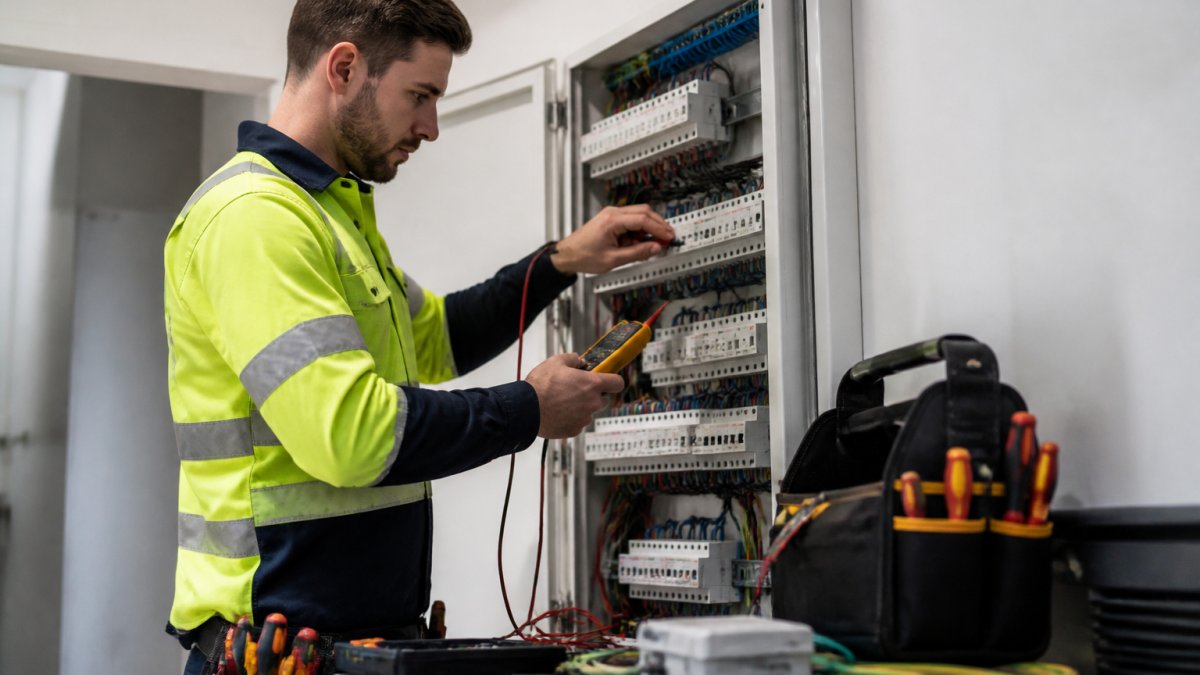
Start by verifying credentials. A licensed electrician has completed formal training, passed competency assessments, and maintains current registration with the relevant regulatory body. Ask to see their licence and confirm it's current.
Experience matters. An electrician who has inspected hundreds of homes spots problems faster and more accurately than someone new to the field.
Ask about their testing equipment. A proper inspection requires specialised testers: earth-fault loop impedance testers, insulation resistance testers, and circuit continuity testers. If an electrician doesn't mention these tools, they're not doing a complete job.
Check references and reviews. Ask previous clients about their experience. Were findings clearly explained? Was the report detailed and actionable? Did the electrician answer questions patiently? Word-of-mouth recommendations from neighbours or your real estate agent often point to reliable electricians.
Get a clear quote upfront. Reputable electricians provide fixed-price quotes for inspections. Avoid anyone who's vague about cost or quotes significantly lower than others, that often signals corners being cut.
Cube Automation works with qualified electricians to ensure installations are safe and compliant. When you're choosing an electrician for inspection, look for the same standards we apply: proper licensing, quality equipment, transparent communication, and a commitment to thoroughness.
Step-by-Step: Booking Your Electrical Safety Inspection
Booking an inspection is straightforward once you know what to expect, and the process to book electrical safety inspection is simple and clear. Follow these steps to arrange a professional assessment.
Step 1: Identify Your Need Clarify why you need an inspection. Are you renovating, buying property, concerned about specific issues, or simply maintaining your home? This helps the electrician understand priorities and allocate time appropriately.
Step 2: Find a Licensed Electrician Search for licensed electricians in your area. Ask for recommendations from friends, neighbours, or your real estate agent. Check online reviews and verify credentials through your state's electrical licensing authority.
Step 3: Request a Quote Contact at least two or three electricians. Describe your property (age, size, any known issues) and ask for a fixed-price quote for a full inspection.
Step 4: Schedule the Appointment Once you've chosen an electrician, book a time that works for you. Allow 1 to 3 hours depending on property size.
Step 5: Prepare Your Property Before the appointment, clear access to the switchboard, power points, and any areas of concern.
Step 6: Be Present During the Inspection Stay available to answer questions and observe the process. A good electrician explains what they're doing and why. This is your opportunity to learn about your electrical system.
Step 7: Review the Report After the inspection, the electrician provides a detailed report. Review it carefully. Ask for clarification on any findings you don't understand. Prioritise recommendations based on safety risk and urgency.
What Happens After Your Inspection: Understanding the Report and Next Steps
The inspection report is your roadmap for electrical safety and compliance. Understanding it helps you make informed decisions about repairs and upgrades.
A comprehensive inspection report includes:
Executive Summary: A brief overview of the property's electrical condition and any critical safety issues requiring immediate attention.
Detailed Findings: Section-by-section results from the inspection.
Test Results: Data from specialised testing, including earth-fault loop impedance, insulation resistance, and circuit continuity measurements. These numbers tell you whether your system meets safety standards.
Recommendations: Specific actions to address findings. Recommendations are prioritised by urgency and safety impact.
Compliance Status: Whether your electrical system meets current standards. This matters for insurance, property sales, and peace of mind.
Next Steps:
Start with critical items. If the report identifies safety hazards, exposed wiring, faulty earthing, or unsafe switchboard conditions, arrange repairs immediately. Don't delay on these.
Schedule major work within a reasonable timeframe. Non-compliance issues and significant wear should be addressed within months, not years. These problems worsen over time and increase risk.
Plan minor upgrades as part of broader maintenance or renovation. Advisory items can often be bundled with other electrical work to reduce costs.
If you're planning smart home upgrades or renovations, share the inspection report with your installer or electrician.
Cube Automation integrates inspection findings into our design and installation process. We ensure that smart home systems, solar installations, and other upgrades are built on a safe, compliant electrical foundation.
Keep your inspection report for future reference. If you're selling your property, buyers and their lenders will want to see it.
An electrical safety inspection is an investment in your home's safety and longevity. It reveals hidden hazards, confirms compliance, and guides decisions about upgrades and renovations.
Frequently Asked Questions
How do I book a home electrical safety inspection?
Contact a licensed electrician directly by phone or through their website to request an inspection. Provide your property details, preferred dates, and any specific concerns about your wiring or appliances. Most electricians offer fixed-price quotes or flat fees for inspections. Confirm the scope of work, whether it covers switchboards, power points, lighting, and appliances, before booking.
Do I need an electrical inspection before renovating my home?
Yes, an electrical inspection before renovation is strongly recommended. It identifies whether your existing wiring, switchboard, and circuits can support new loads from additional appliances, smart home systems, or extended circuits. The inspection reveals any faults or non-compliant installations that must be rectified before work begins, preventing costly surprises mid-project and ensuring your renovation meets current electrical standards.
What should I look for in a qualified electrician?
Choose a licensed electrician with current qualifications recognised by your state's electrical licensing board. Verify they hold public liability insurance and provide upfront, transparent pricing. Check customer reviews and ask about their experience with inspections, renovations, or smart home integration if relevant to your needs. A good electrician will explain findings clearly, answer questions patiently, and provide a detailed written report with recommendations.
What are signs of faulty home wiring I should watch for?
Watch for flickering lights, power points that feel warm to the touch, burning smells near outlets or the switchboard, frequently tripped circuit breakers, discoloured or cracked power point covers, visible damage to cables, and appliances that won't stay plugged in. Older homes with cloth-wrapped wiring or outdated switchboards are higher risk. Any of these signs warrant a professional electrical inspection to rule out hazards like overloading, short circuits, or degraded insulation.