Retrofitting Old Homes for Smart Tech: A 2026 Guide
Table of Contents
- Why Retrofit Older Homes for Smart Technology
- Smart Home Retrofit Without Rewiring: What's Actually Possible
- Smart Switches for Old Wiring: Making Legacy Systems Work
- Smart Home Wiring Requirements: Assessing Your Property
- Smart Home Energy Monitoring for Net-Zero Goals
- A Room-by-Room Retrofit Plan for Different Home Ages
- Privacy, Security, and Local Control in Smart Home Retrofits
- Phased Budget and Installation Timeline
- Frequently Asked Questions
Last Updated: October 16, 2026
Why Retrofit Older Homes for Smart Technology
Retrofitting old homes for smart tech transforms how properties perform without complete rewiring. Most homeowners assume older buildings can't support modern automation, but the challenge isn't the structure's age, it's understanding what's possible within existing constraints.
Energy efficiency drives much of this demand. Homes built before the 2000s waste significant energy through inefficient heating, cooling, and lighting. Smart controls automate temperature management, schedule lights by occupancy, and monitor consumption in real time. For net-zero goals, smart systems layer on top of solar and battery installations to optimise energy flows.
Building performance matters too. Older properties often lack visibility into how systems operate. A smart retrofit provides data about what's working, what's failing, and where money is wasted, transforming maintenance from reactive to predictive.
Security and comfort round out the equation. Smart cameras, door sensors, and alarms integrate into one platform. Climate control becomes granular, lighting adjusts automatically as daylight changes. These are practical improvements, not luxuries.
Smart Home Retrofit Without Rewiring: What's Actually Possible
Retrofitting old homes for smart tech doesn't require pulling walls apart or running new cable through ceilings. Wireless solutions handle most use cases, and existing wired infrastructure often supports smart devices with minimal modification.
Wireless smart switches are the most straightforward retrofit approach. They replace standard switches without touching underlying wiring, communicating via radio frequency or mesh networks. Dozens can be installed across a property without rewiring work.
Smart plugs offer similar flexibility. Plug an adapter into an existing outlet, connect a lamp or device, and the system treats it as smart. Scheduling, remote control, and energy monitoring work immediately, ideal for older wiring that can't support additional circuits.
Retrofit-friendly thermostats work with most heating systems, from older radiators to ducted air conditioning. They integrate with existing boiler or furnace controls, learning occupancy patterns and adjusting temperature automatically to cut energy waste without infrastructure changes.
Challenges emerge with properties lacking neutral wires in switch boxes or with severely degraded wiring. Some older homes use aluminium wiring, which presents compatibility issues with certain smart devices. Assessment matters, understand what exists before committing to any retrofit plan.
Smart Switches for Old Wiring: Making Legacy Systems Work
Smart switches for old wiring come in two primary categories: battery-powered wireless switches and wired switches that work with existing circuits.
Battery-powered wireless switches don't interact with existing wiring at all. They sit in a wall plate, communicate wirelessly to a hub or smart bulbs, and control lighting through software. Isolated from the electrical circuit, they work with any wiring condition. The trade-off is battery replacement every 5-10 years.
Wired smart switches connect to existing circuits without rewiring. If a standard switch already controls a light, a smart switch can replace it using the same wiring path. The key requirement is a neutral wire returning power to the electrical panel.
For properties without neutral wires, retrofitting old homes for smart tech relies on wireless solutions or adding neutrals selectively to high-priority switches.
Smart bulbs offer another workaround: the smart technology sits inside the bulb, so the switch remains dumb. Any light fixture can be retrofitted by changing bulbs and controlling them via app or voice assistant.
Compatibility checking matters. Not every smart switch works with every wiring configuration, older wiring may have unusual circuit layouts, multiple switches on one light, or three-way configurations. Professional assessment identifies these issues before installation.
Smart Home Wiring Requirements: Assessing Your Property
Assessing smart home wiring requirements starts with understanding what infrastructure already exists and what constraints it imposes.
First, identify the electrical panel and circuit layout. Modern panels operate at 240V with clear labelling; older panels may use outdated standards or lack documentation.
Next, examine the wiring. Copper is standard and compatible with all smart devices.
Conduit and cable routing matters for retrofit planning. If walls contain conduit, new cables can sometimes be pulled through without cutting drywall. If wiring runs through solid wall cavities with no conduit, adding circuits becomes more invasive.
Test for neutral wires in switch boxes. A qualified electrician can confirm whether neutrals exist at each switch location, this single factor determines whether wired smart switches can be retrofitted or wireless solutions are necessary.
Assess connectivity infrastructure. Smart home systems need reliable network coverage throughout the property. WiFi dead zones in distant rooms or basements may need additional access points, and mesh systems can extend coverage without adding wiring.
Battery backup and power resilience matter for older properties. Older electrical systems sometimes experience voltage fluctuations or brownouts that damage sensitive electronics.
Smart Home Energy Monitoring for Net-Zero Goals
Smart home energy monitoring transforms abstract energy consumption into actionable data. For homeowners targeting net-zero energy performance, monitoring reveals exactly where energy flows and when systems operate inefficiently.
Whole-home energy monitors connect to the electrical panel and measure total consumption, tracking kilowatt-hours in and out. Combined with solar generation data, they show net consumption, the actual energy drawn from the grid after solar production.
Circuit-level monitoring breaks consumption down further, showing individual circuits: heating, cooling, hot water, appliances, lighting. This reveals which systems consume most and which operate inefficiently, a circuit drawing constant power overnight might indicate an overworked refrigerator or an always-on device consuming standby power.
Smart thermostats integrate with energy monitoring to optimise heating and cooling. They learn occupancy patterns, adjust temperature by time of day, and respond to external changes.
Battery storage pairs with energy monitoring to maximise self-consumption. A battery stores excess solar during peak production, releasing it during evening demand. Smart monitoring optimises this charge-discharge cycle, charging when solar exceeds household demand, discharging when grid prices are high or solar is low.
Water heating is a significant energy load in most homes. Smart hot water controllers shift heating to times when solar generation is highest or grid demand lowest.
A Room-by-Room Retrofit Plan for Different Home Ages
Retrofitting old homes for smart tech requires different approaches depending on the building's age and construction. A 1970s brick home with aluminium wiring needs different solutions than a 1990s weatherboard house with copper wiring.
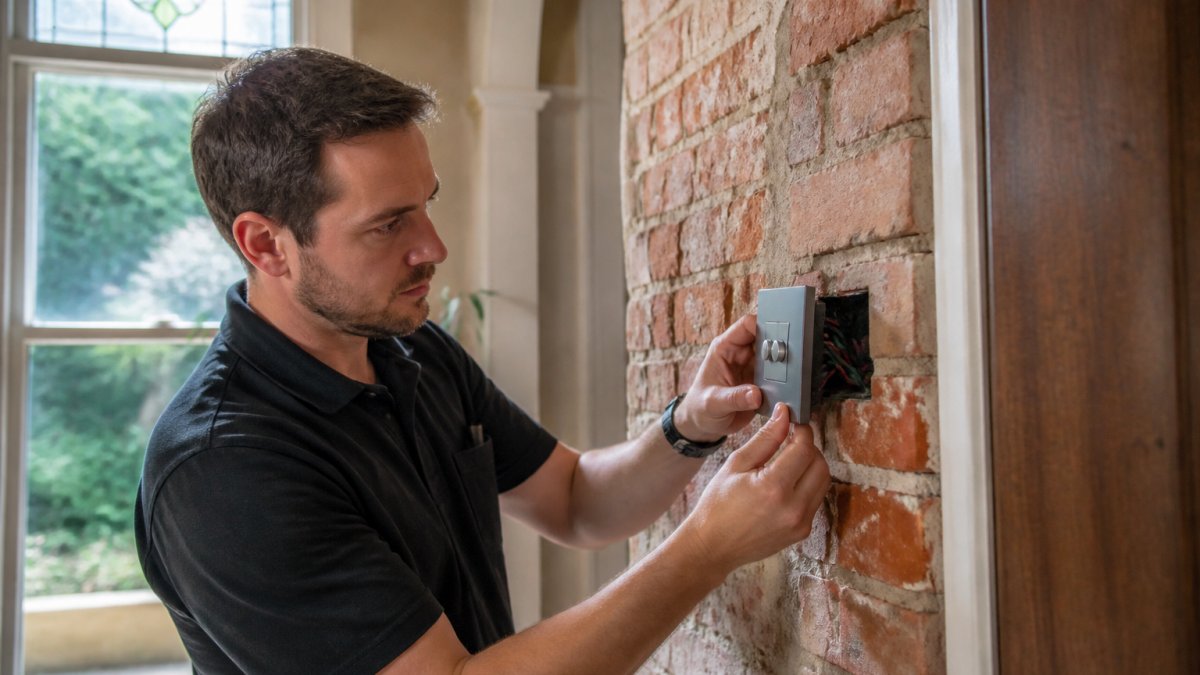
Heritage and pre-1980s homes: These typically have limited wiring infrastructure and may use aluminium or outdated copper standards. Wireless smart switches become the primary tool, avoiding disturbance to original wiring or wall cavities.
1980s-1990s homes: These usually have copper wiring and adequate switch box neutrals. Wired smart switches retrofit directly into existing locations, and new circuits can be added selectively for thermostats or energy monitors.
2000s homes: These typically have modern wiring standards, good circuit capacity, and clear neutrals throughout, expanding retrofit options significantly.
Priority sequencing across room types: Start with high-impact areas. Kitchens and living spaces benefit most from smart lighting and climate control. Bedrooms prioritise automated blinds and temperature zones.
Phased approach by room: Rather than retrofitting the entire property at once, phase the work room by room. This spreads costs and allows learning from early installations.
Privacy, Security, and Local Control in Smart Home Retrofits
Smart home retrofits introduce data and connectivity that require careful management.
Privacy concerns centre on data collection and transmission. Many commercial systems send data to cloud servers, enabling remote access but sending information about occupancy, routines, and energy use to third parties.
Local control systems store data and process automation rules on a home hub rather than remote servers, providing privacy by design: information never leaves the property.
Cybersecurity risks increase with connectivity. Smart devices on home networks can become entry points for attackers if security is weak.
Firmware updates are critical for security. Older smart devices that stop receiving updates become increasingly vulnerable. When retrofitting, prioritise manufacturers committed to long-term support and avoid companies that have abandoned product lines or ceased security updates.
Local standards and regulations matter in retrofit planning. Building codes in many regions require licensed professionals for electrical work, and smart home installation involving circuit modifications or new wiring typically falls under these requirements.
Data minimisation principles suggest collecting only what's necessary for system operation. A hallway motion sensor needs occupancy status, not video or audio. A smart thermostat needs temperature and setpoint, not who's in the room.
Phased Budget and Installation Timeline
Retrofitting old homes for smart tech costs vary dramatically based on scope, property age, and wiring conditions. A phased approach spreads investment over time while allowing prioritisation of highest-impact improvements.
Initial assessment phase: Before committing to retrofit work, professional assessment identifies wiring conditions, compatibility constraints, and optimal retrofit paths.
Phase 1, Foundation systems: Start with core infrastructure supporting future expansion: a reliable WiFi network covering the property, a central smart home hub, and energy monitoring equipment.
Phase 2, High-impact devices: Add smart thermostats, smart lighting in primary living areas, and basic security cameras.
Phase 3, Extended coverage: Expand smart lighting to secondary areas, add smart switches in high-traffic locations, and install external security cameras.
Phase 4, Optimisation and integration: Add specialised devices addressing specific needs, smart blinds, advanced energy management, occupancy-based ventilation control.
Installation timeline varies by scope. Wireless-only retrofits can be completed in days with minimal disruption. Retrofits involving new circuits or wiring modifications take longer and may need multiple contractor visits.
Professional installation considerations: Retrofitting old homes for smart tech often requires licensed electricians for wiring modifications, circuit additions, or integration with existing electrical systems.
At Cube Automation, we understand that retrofitting old homes for smart tech requires careful planning tailored to each property's unique constraints.
Frequently Asked Questions
Can I add smart home technology to an older house without rewiring?
Yes, retrofitting old homes for smart tech is possible without complete rewiring. Wireless solutions, smart switches that work with existing circuits, and battery-powered sensors eliminate the need for extensive electrical work. However, your property's wiring age, condition, and layout determine what's feasible. A professional assessment identifies which rooms suit wireless retrofits and which may need targeted upgrades to support smart heating, cooling, or lighting control systems.
Do smart switches work with old wiring in heritage homes?
Smart switches for old wiring are designed to work with legacy electrical systems, but compatibility depends on your circuit type and switch configuration. Older homes often have simpler two-wire circuits that support most modern smart switches. Three-way or four-way circuits (common in homes with multiple light controls) require compatible smart switch models. A licensed electrician can assess your existing wiring and recommend switches that integrate safely without modifications to the building fabric.
What smart home wiring requirements should I check before starting a retrofit?
Before retrofitting, verify internet connectivity (Wi-Fi coverage or mesh network capability), power availability near devices, and compatibility with your existing heating and cooling control systems. Check whether your property has neutral wires at light switches (required for many smart switches), assess router placement for reliable signal, and confirm your home's age and construction type (timber frame, brick veneer, etc.). These smart home wiring requirements determine whether you need wireless solutions, network upgrades, or targeted circuit modifications.
How does smart home energy monitoring help achieve net-zero energy goals?
Smart home energy monitoring tracks real-time consumption across circuits, appliances, and systems, revealing where energy waste occurs. When paired with solar generation and battery storage data, monitoring shows exactly how much self-generated energy you're using versus exporting. This intelligence guides decisions on heating and cooling control schedules, identifies phantom loads, and optimises when to charge electric vehicles or run high-energy appliances. Over time, homeowners typically reduce consumption by 10-15% through behaviour changes informed by monitoring data.
What happens if smart home devices fail after installation?
Professional installers provide ongoing support and warranty coverage on devices and workmanship. Before choosing a retrofit partner, confirm their maintenance policy, response times for faults, and whether they offer remote diagnostics or on-site troubleshooting. Many failures stem from poor Wi-Fi coverage or incompatible device integration, issues preventable through proper design and testing during installation. Reputable installers conduct thorough commissioning and provide training so homeowners understand how systems work and can identify problems early.
Can I retrofit smart home technology and solar at the same time?
Yes, integrating smart home systems with solar and battery storage is ideal for net-zero retrofits. Smart energy monitoring tracks solar generation and battery state, while smart heating, cooling, and lighting controls optimise consumption around solar availability. However, this requires coordinated design, electrical infrastructure must support both the solar system and smart device networks. Working with professionals experienced in both domains ensures the systems communicate properly, maximising energy savings and system reliability.
Retrofitting old homes for smart tech doesn't require starting from scratch. Assessing what exists, understanding compatibility constraints, and prioritising high-impact improvements creates a practical path forward. Cube Automation helps homeowners and renovators navigate these decisions with professional assessment, licensed installation, and integration across solar, battery, and security systems. Contact us to explore retrofit options tailored to your property and goals.