Smart Home vs Traditional Electrical Systems
Table of Contents
- Smart Home vs Traditional Electrical Systems: Key Differences
- Smart Home Advantages and Disadvantages
- Energy Efficiency and Cost Savings
- Smart Home Installation Cost and Budget Planning
- Smart Home Retrofit: Working with Existing Wiring
- Smart Electrical Panel Systems and Control
- Security, Reliability, and Safety Considerations
- Which System Should You Choose?
- Frequently Asked Questions
Last Updated: October 4, 2026
Smart Home vs Traditional Electrical Systems: Key Differences
When you're planning a renovation or new build, the choice between a smart home system and traditional electrical wiring shapes everything that comes next.
Traditional electrical systems have been the standard for decades. They rely on fixed wiring, manual switches, and circuit breakers that control power distribution through your home. You flip a switch, current flows, a light turns on.
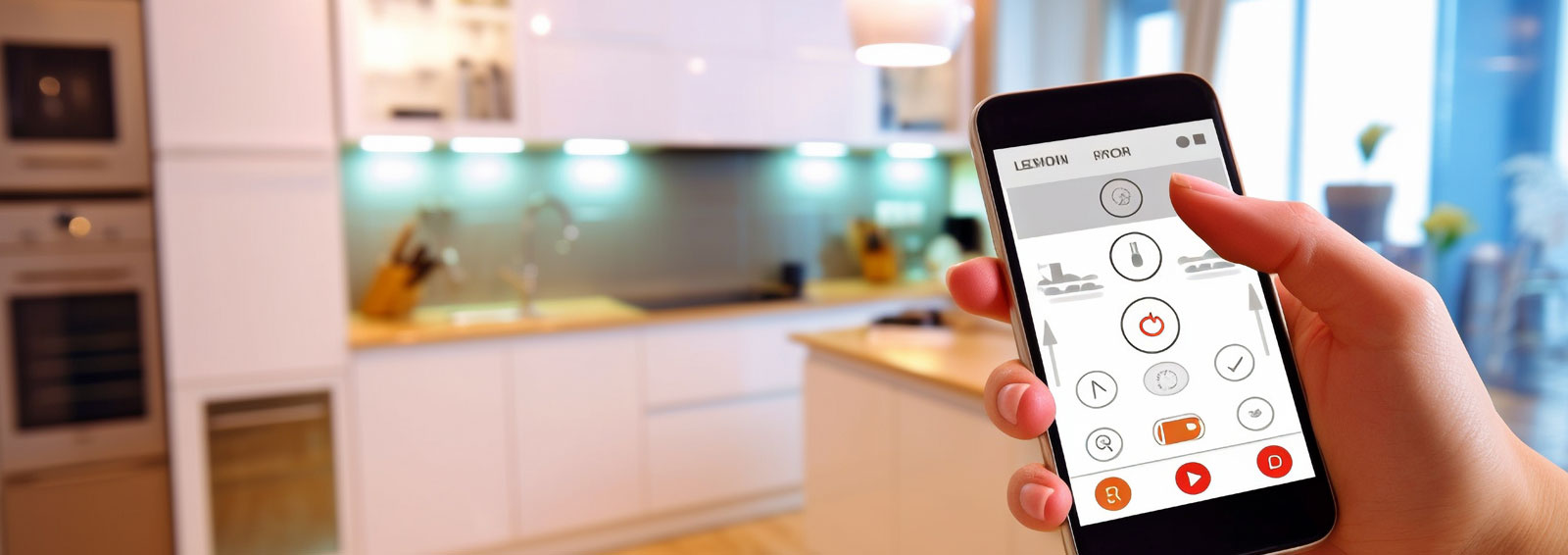
Smart home systems layer automation and remote control on top of electrical infrastructure. Connected devices communicate with a central hub or cloud platform, allowing you to control lighting, heating, security, and appliances from your phone or through voice commands.
How traditional systems operate
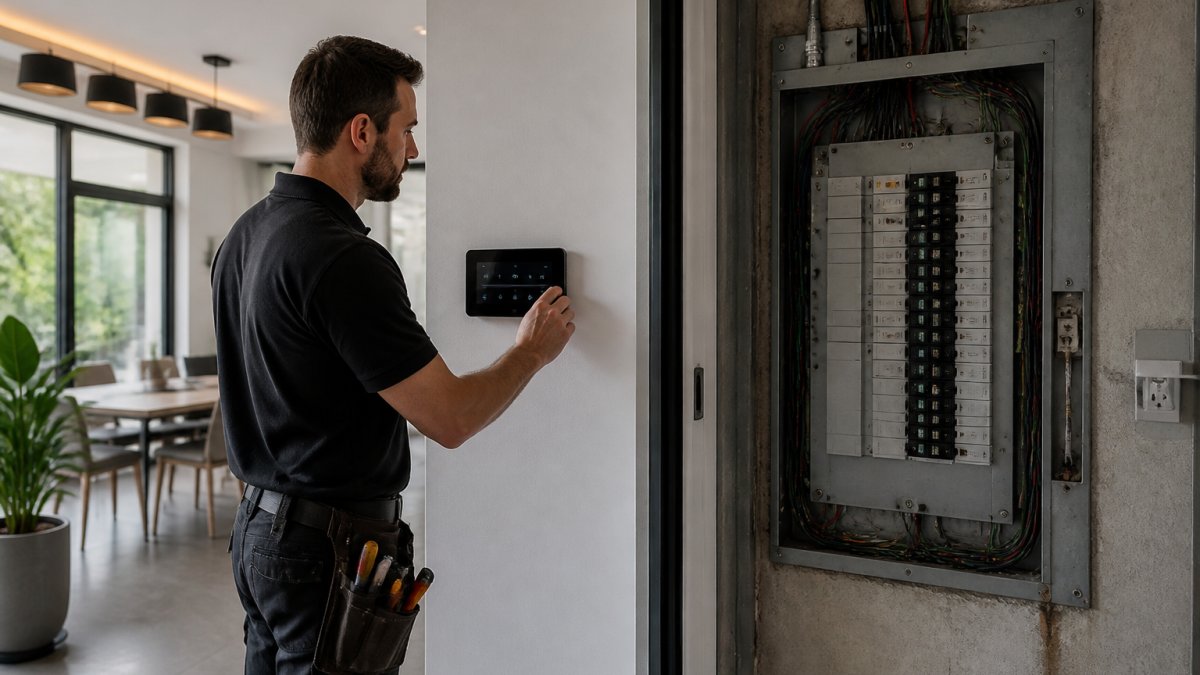
A traditional electrical system distributes power from your main switchboard through fixed circuits to outlets, switches, and appliances throughout your home. Each circuit is protected by a breaker or fuse. When you want to control something, a light, a heater, a fan, you use a physical switch at that location.
This approach has clear advantages. There's no dependency on internet connectivity, no software updates to manage, and no compatibility issues between devices. If one switch fails, you replace it. The rest of the system continues working. Maintenance is straightforward because the technology hasn't changed much in 50 years.
The limitation is control. You can only operate devices from their physical location or through basic timers. If you want to turn off lights in multiple rooms, you walk to each one. Heating runs on a fixed schedule.
How smart home systems work
A smart home system integrates connected devices that communicate over WiFi or other wireless protocols. A central controller (often called a hub) receives commands from your phone, voice assistant, or automated routines, then sends signals to smart switches, thermostats, lights, and security devices.
This creates centralized control. From one app, you can manage lighting across your entire home, adjust heating room by room, arm security systems, and monitor energy use. Automation routines let you set schedules or triggers, lights turn on at sunset, heating ramps down when everyone leaves, cameras record when motion is detected.
The trade-off is complexity. Smart systems require initial setup, internet connectivity, and ongoing software maintenance. Devices must be compatible with your chosen platform (some ecosystems don't work together). If your internet goes down, remote control stops working, though most modern systems retain local control as a fallback.
Smart Home Advantages and Disadvantages
The decision between smart home and traditional electrical systems depends on what matters most to your household. Both have genuine strengths and real limitations.
Advantages: convenience, energy savings, and security
Convenience is the most obvious benefit of smart home systems. Controlling lights, heating, and security from your phone or voice commands reduces friction in daily life. You don't need to be home to adjust your thermostat or check security cameras. Automation routines handle repetitive tasks without your input.
Energy efficiency is substantial. Smart thermostats learn your patterns and adjust heating and cooling automatically. Smart lighting turns off lights in unoccupied rooms. Real-time energy monitoring shows you where consumption is highest, helping you make informed decisions about usage.
Security benefits extend beyond cameras. Smart locks let you grant access remotely without handing over keys. Motion sensors trigger lighting and recording. You receive alerts if doors open unexpectedly or motion is detected while you're away. This layered approach is harder to achieve with traditional systems, which rely on manual checking or basic timers.
Disadvantages: upfront costs and complexity
The initial investment in smart home infrastructure is higher than traditional wiring. Equipment costs, installation labour, and integration work add up quickly. You're also committing to a specific ecosystem, switching platforms later means replacing devices and reconfiguring automation.
Complexity creates friction. Setup requires configuring networks, pairing devices, setting up automation rules, and troubleshooting connectivity issues. If something breaks, diagnosing whether the problem is hardware, software, or network connectivity takes time. Technical support varies widely depending on your chosen devices and platforms.
Cybersecurity is a real consideration. Connected devices create potential entry points for unauthorised access if security is poorly configured. You're also dependent on manufacturers continuing to provide software updates and security patches. If a company stops supporting a device, it becomes increasingly vulnerable over time.
Energy Efficiency and Cost Savings
Smart home systems can deliver measurable energy savings, but the actual reduction depends on your behaviour and how thoroughly you implement automation.
Smart thermostats are the highest-impact upgrade. They learn your temperature preferences and adjust heating and cooling based on occupancy and time of day.
Smart lighting saves energy through two mechanisms: automation turns lights off in unoccupied rooms, and dimming or colour temperature adjustments reduce energy use when full brightness isn't needed. The savings are smaller than heating and cooling but still meaningful over time.
The payback timeline depends on your current energy bills and how much you invest. A modest smart thermostat installation might pay for itself in 2-3 years.
Traditional systems offer no energy monitoring or automation, so energy management relies entirely on manual behaviour. You can reduce consumption through discipline, but you won't benefit from automated adjustments or real-time visibility into where energy is going.
Smart Home Installation Cost and Budget Planning
Installation costs vary based on the scope of your project, the devices you choose, and whether you're retrofitting an existing home or building new.
A basic smart home setup, a few smart lights, a smart thermostat, and a hub, typically costs between $2,000 and $5,000 installed. A comprehensive system with smart lighting throughout, heating and cooling control, security cameras, smart locks, and energy monitoring can reach $15,000 or more.
Labour is the largest component. Professional installation ensures devices are correctly integrated with your electrical system and network. DIY installation is cheaper but requires technical confidence and time. Many homeowners use a hybrid approach: professionals handle electrical integration, then they install simpler devices themselves.
When budgeting, factor in:
- Hardware cost (devices, hub, cabling)
- Installation labour
- Network infrastructure (WiFi mesh systems if needed)
- Ongoing costs (subscriptions for cloud services, security monitoring)
Traditional electrical installation is cheaper upfront because there's no smart infrastructure to integrate. A standard rewire costs less than a smart rewire. However, upgrading from traditional to smart later is more expensive than building smart from the start.
Smart Home Retrofit: Working with Existing Wiring
If your home has older wiring, retrofitting smart home systems is still possible but requires careful planning.
The first step is assessing your existing electrical infrastructure. Old wiring may not support additional smart devices without upgrading your switchboard or adding circuits.
Wireless smart devices bypass some limitations of old wiring. Smart bulbs screw into existing fixtures without rewiring. Smart thermostats connect to existing heating systems. Wireless security cameras and sensors need no electrical work.
For more comprehensive smart home integration, particularly smart lighting control that replaces traditional switches, you may need to run new circuits or upgrade your switchboard. This is more invasive and expensive than wireless retrofits but gives you greater control and reliability.
The key decision is whether to retrofit partially (wireless devices where possible) or invest in more comprehensive electrical work for full integration. Partial retrofits cost less but may leave you with a patchwork of incompatible devices.
Smart Electrical Panel Systems and Control
Modern smart electrical panels are the backbone of comprehensive home automation. They replace traditional switchboards with intelligent systems that manage power distribution and enable centralized control.
A smart panel monitors electrical load across all circuits, detects faults, and provides real-time energy data. It integrates with smart devices throughout your home, allowing you to control circuits remotely or through automation rules.
Installation of a smart panel typically requires a licensed electrician and coordination with your electricity distributor. It's a significant investment, usually $3,000 to $8,000 installed, but it's the foundation for a fully integrated smart home.
Traditional switchboards do none of this. They distribute power and protect circuits, but they don't communicate with devices or provide energy data.
For homeowners not ready for a full panel upgrade, smart circuit breakers can be retrofitted into existing panels. They provide similar monitoring and control benefits without replacing the entire switchboard, though at slightly lower capability.
Security, Reliability, and Safety Considerations
Both smart and traditional systems have security and reliability profiles worth understanding.
Traditional electrical systems are inherently reliable. There's no software to crash, no network to fail, and no compatibility issues.
Smart systems are more complex, which creates more potential failure points. Internet outages disable remote control and cloud-based automation, though most modern systems retain local control as a fallback.
However, smart systems offer security benefits that traditional systems can't match. Automated lighting can simulate occupancy while you're away. Smart locks can grant temporary access without physical keys.
Cybersecurity is a legitimate concern with smart systems. Weak passwords, unpatched devices, or poorly configured networks create vulnerabilities. A compromised smart home system could theoretically allow unauthorised access to your home or personal data.
Electrical safety is the same for both systems. Properly installed wiring, correctly sized circuits, and appropriate protection devices keep you safe whether the system is smart or traditional.
Which System Should You Choose?
The right choice depends on your priorities, budget, and how you use your home.
Choose traditional electrical systems if:
- Upfront cost is your primary concern
- You value simplicity and minimal maintenance
- Internet reliability in your area is questionable
- You're renovating an older home and want to minimise disruption
- You prefer manual control and don't need remote access
Choose smart home systems if:
- Energy efficiency and cost savings matter to you
- You want remote control and automation
- Security monitoring is important
- You're building new or doing a major renovation
- You're willing to invest more upfront for long-term convenience
Many homeowners choose a hybrid approach: traditional electrical infrastructure with selective smart devices (thermostat, a few lights, security cameras) rather than a fully integrated system. This balances cost, convenience, and complexity.
At Cube Automation, we help homeowners and builders evaluate both approaches and design systems that match their actual needs. Whether you're retrofitting an existing home or building new, we can assess your electrical infrastructure and recommend the right balance of traditional and smart technology. Our team of licensed professionals handles everything from initial planning through installation and ongoing maintenance, ensuring your system works reliably and delivers the efficiency and security benefits you're paying for.
Frequently Asked Questions
Can smart home technology work with existing electrical wiring?
Yes, most smart home systems can integrate with existing wiring through wireless protocols or retrofitted controls. However, older homes with outdated wiring may need assessment to ensure compatibility. Cube Automation evaluates your property's electrical infrastructure before recommending solutions, identifying whether upgrades are needed or if wireless smart devices suit your current setup. The feasibility depends on your home's age, wiring condition, and the specific devices you want to control.
What is the average cost of a smart home device or full system installation?
Smart home installation costs vary significantly based on system complexity, the number of devices, and whether you're retrofitting or building new. Individual smart devices range from affordable to premium, but a comprehensive installation involving smart lighting, heating control, security, and a smart electrical panel requires professional assessment. Contact Cube Automation for a tailored quote based on your home's specific requirements and goals.
Are smart home systems more energy efficient than traditional electrical systems?
Smart home systems can achieve greater energy efficiency through automated scheduling, real-time monitoring, and intelligent device control. Smart thermostats, automated lighting based on occupancy, and energy monitoring provide measurable savings on electricity bills. However, the efficiency gain depends on how actively you use these features. Traditional systems offer no automated optimisation, making smart systems advantageous for households aiming to reduce energy consumption and support net-zero goals.
What happens to smart home devices if the internet goes down?
Most modern smart home systems include local control capabilities, allowing devices to operate independently of internet connectivity. Lights can still be toggled manually, thermostats maintain programmed settings, and security systems continue functioning. However, remote access and automation routines requiring cloud connectivity will be unavailable. A well-designed system includes fail-safe features to ensure your home remains secure and functional during outages.
The choice between smart home and traditional electrical systems isn't about one being universally better, it's about matching the technology to your household's priorities. If you're planning a renovation or new build and want to explore how smart home integration could work with your existing infrastructure, we're here to help. Contact Cube Automation for a professional assessment of your property and a tailored recommendation based on your goals and budget.