Hire CCTV Installers: What to Know Before You Call
Table of Contents
- Why Hiring a Professional CCTV Installer Matters
- What to Look for in a Professional CCTV Installer
- Understanding CCTV Installation Quote Components
- CCTV Installation Cost: What Affects Your Price
- CCTV Maintenance and Support After Installation
- Integration with Your Existing Security and Smart Home Systems
- Common Mistakes When Hiring CCTV Installers
- How to Hire CCTV Installers with Confidence
- Frequently Asked Questions
Last Updated: October 14, 2026
Why Hiring a Professional CCTV Installer Matters
A professional CCTV installer brings expertise that DIY approaches simply cannot match. When you hire CCTV installers, you're investing in proper system design, correct camera placement, and reliable integration with your existing security infrastructure. The difference between a well-installed system and a poorly configured one often determines whether your property is actually protected.
Many property owners discover this the hard way. They purchase quality cameras, attempt installation themselves or hire someone without proper credentials, and end up with blind spots, unreliable connections, or footage that's too dark to identify anything useful. A professional assessment catches these problems before they become expensive failures.
A qualified professional evaluates your property layout, identifies high-risk areas, and designs a system that actually delivers the protection you need.
What to Look for in a Professional CCTV Installer
Finding the right installer requires more than checking online reviews. You need someone with proper licensing, relevant experience, and the ability to understand your specific security needs.
Licensing and Compliance Checks
Before hiring CCTV installers, verify their licensing status. In Queensland, electricians who install security systems should hold appropriate qualifications. Check whether they're registered with the relevant electrical regulatory bodies and whether their work is covered by proper insurance.
A legitimate installer will provide proof of their credentials without hesitation. They'll carry current insurance, maintain proper licensing, and be able to explain which standards their work meets. This isn't bureaucratic paperwork, it's your assurance that the person accessing your property and handling your security system has been vetted and trained to industry standards.
Ask directly: What licenses do you hold? Can you provide evidence of current insurance? Are you registered with the relevant electrical authority? Their willingness to answer these questions immediately tells you whether they take compliance seriously.
Site Assessment and Security Planning
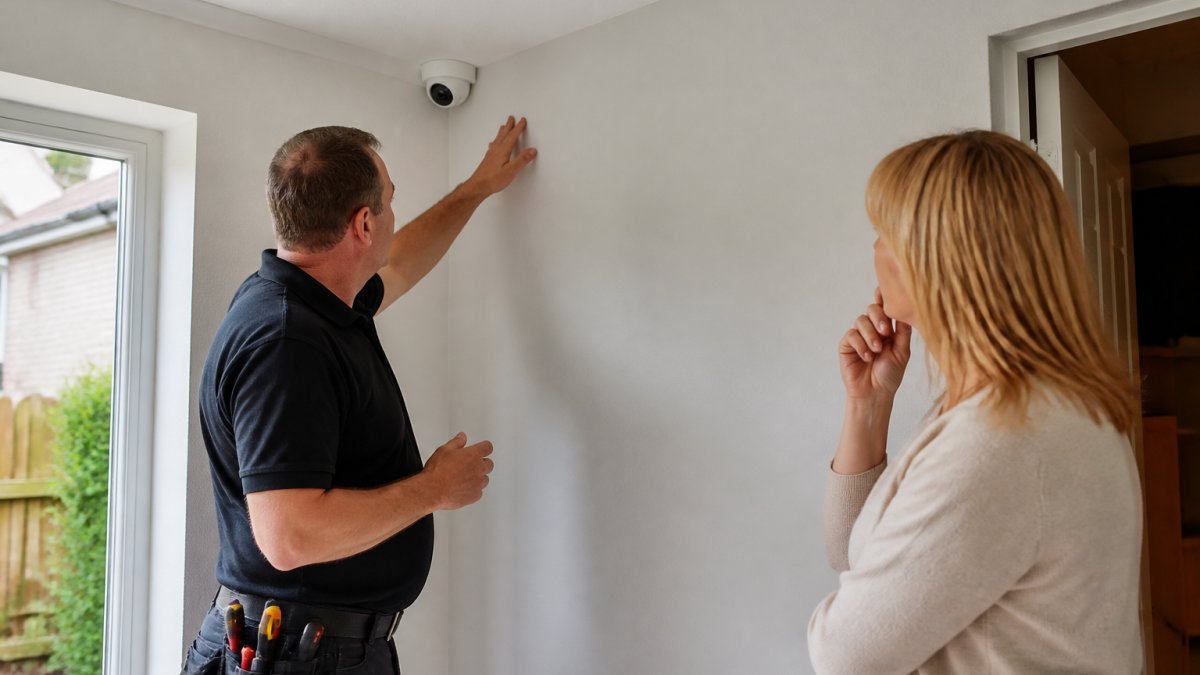
A professional site assessment is where good installations begin. The installer should visit your property, examine lighting conditions, identify potential camera blind spots, and understand your security priorities. This isn't a quick walk-through, it's a detailed evaluation.
During the assessment, a qualified installer will ask about your concerns: Which areas need monitoring? What's your budget? Do you want night vision capability? Are there existing systems to integrate? They'll note structural challenges, power availability, and connectivity options. They'll discuss whether wired, wireless, or hybrid systems make sense for your layout.
This planning phase prevents costly mistakes. An installer who skips this step and simply quotes based on a phone call is cutting corners. The assessment is where they earn your confidence and demonstrate their expertise.
Questions to Ask During the Consultation
Come prepared with specific questions. Ask about their experience with systems similar to yours. How many installations have they completed in the past year? Can they provide references from recent clients? What happens if equipment fails after installation, do they provide warranty support?
Discuss their approach to camera placement. Where exactly will cameras be positioned? Why those locations? What coverage will you actually get? Ask about image quality in low-light conditions and whether the system includes night vision. Clarify what happens with footage, how long is it stored, who can access it, and what privacy safeguards are in place.
Ask about integration capabilities. If you have existing smart home systems, can this CCTV setup connect to them? What about future expansion, can you add cameras later without redesigning the entire system? A professional installer has thoughtful answers to these questions and explains the reasoning behind their recommendations.
Understanding CCTV Installation Quote Components
A detailed quote breaks down exactly what you're paying for. Vague quotes that lump everything into one line are a warning sign.
Residential vs. Commercial Quote Breakdown
Residential and commercial installations differ significantly in scope and complexity. A residential system typically covers entry points, driveways, and outdoor areas. A commercial installation might include multiple buildings, parking areas, access points, and integration with alarm systems.
For residential installations, expect the quote to itemise: camera equipment (including type and specifications), wiring or wireless components, installation labour, mounting hardware, and any integration work. For commercial systems, add site-specific considerations like coverage area size, integration with existing security infrastructure, and ongoing monitoring or maintenance requirements.
The quote should clearly state what's included and what isn't. Does it cover cabling? Are permits included? What about testing and handover training? A professional installer separates each cost component so you understand where your money goes.
CCTV Installation Cost: What Affects Your Price
Several factors determine the final cost of your installation. Understanding these variables helps you compare quotes fairly and avoid surprises.
System complexity is the primary driver. A simple two-camera residential setup costs far less than a multi-building commercial system with integration to alarm systems and remote monitoring.
Installation difficulty matters significantly. A property with existing infrastructure, accessible mounting points, and nearby power sources costs less to install than one requiring trenching, conduit installation, or significant structural work.
Integration requirements add cost. Connecting your CCTV system to existing smart home technology, alarm systems, or remote monitoring services requires additional configuration and testing.
Location-specific factors influence pricing as well. Rural properties may require longer cable runs or specialised equipment for poor connectivity. Commercial sites with multiple buildings or large coverage areas naturally cost more than single-dwelling residential installations.
When comparing quotes, ensure they're actually comparable. A quote that includes professional design, proper testing, and warranty support isn't directly comparable to one that's just labour and equipment.
CCTV Maintenance and Support After Installation
Installation is the beginning, not the end. A system requires ongoing attention to remain reliable.
Ongoing Maintenance Plans
Professional installers often offer maintenance plans. These typically include regular system checks, software updates, lens cleaning, and troubleshooting. For commercial systems, maintenance is nearly essential, you can't afford extended downtime if cameras fail.
Regular maintenance catches problems before they become failures. Dust accumulation on lenses reduces image quality gradually. Software updates improve performance and close security vulnerabilities. Wiring connections can loosen over time, causing intermittent connectivity issues. A maintenance plan addresses these preventatively rather than reactively.
Ask your installer what maintenance they recommend and what it costs. For residential systems, annual or semi-annual checks are often sufficient. Commercial systems typically benefit from quarterly inspections. The cost is modest compared to the expense of replacing failed equipment or dealing with security gaps.
Warranty and Technical Support
Understand what's covered by warranty and for how long. Equipment typically carries manufacturer warranties (often 1-2 years). Installation workmanship should be warranted separately, usually 12 months minimum. Extended warranties are available and may be worthwhile for commercial systems.
Technical support matters more than many property owners realise. When something fails, you need someone who can respond quickly. Ask whether your installer provides 24/7 support or business-hours only. What's their typical response time? Do they charge for support calls, or is it included? For commercial properties, these details are critical.
A professional installer stands behind their work. They're willing to return if problems arise during the warranty period and resolve them at no charge. This confidence reflects their installation quality and commitment to customer satisfaction.
Integration with Your Existing Security and Smart Home Systems
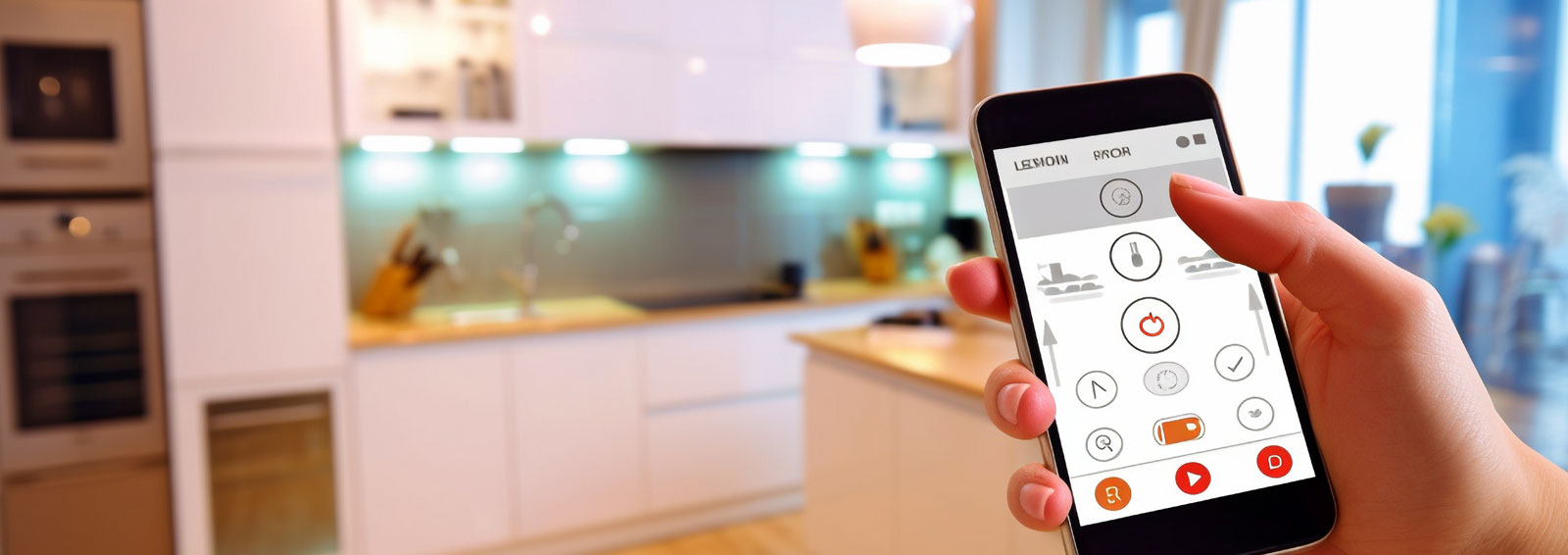
Modern security rarely exists in isolation. Your CCTV system should work alongside alarm systems, smart locks, lighting automation, and other security layers.
A professional installer understands integration requirements. They'll assess what systems you already have and design the CCTV installation to work cohesively with them. This might mean connecting to a central security hub, enabling alerts that trigger lights or locks, or integrating with remote monitoring services.
Integration adds complexity but delivers better security. When a motion sensor triggers a camera to start recording and simultaneously sends you a notification, that's integration at work. When CCTV footage integrates with alarm system logs, you have a complete security picture.
Ask potential installers about their integration experience. Have they worked with the specific systems you use? What platforms do they support? Can they handle future additions to your security setup? A truly professional installer thinks about your complete security ecosystem, not just the cameras.
Common Mistakes When Hiring CCTV Installers
Most hiring problems stem from a few predictable mistakes. Recognising these helps you avoid them.
Choosing based on price alone is the most costly mistake. The cheapest quote rarely delivers the best result. You'll either end up with poor system design, substandard equipment, inadequate installation, or minimal support.
Skipping the site assessment is another common error. Some installers will quote over the phone or based on photos.
Failing to verify credentials costs property owners dearly. An unqualified installer might damage your property, create safety hazards, or produce work that doesn't meet standards. Always confirm licensing and insurance before hiring.
Not discussing integration upfront creates problems later. You install a CCTV system, then discover it won't connect to your smart home hub or alarm system. Retrofitting integration is expensive and disruptive.
Overlooking warranty and support terms leaves you vulnerable. When equipment fails outside the warranty period or the installer is unreachable, you're on your own. Clear support agreements prevent this frustration.
How to Hire CCTV Installers with Confidence
The hiring process itself deserves a structured approach. Treat it like any significant investment in your property.
Start by defining your needs clearly. What areas need coverage? What's your budget? Do you want integration with existing systems? What's your timeline?
Request quotes from at least three qualified installers. Provide each with the same information so quotes are comparable.
Check references before deciding. Contact at least two recent clients and ask about their experience. Did the installer complete the work on schedule?
Interview your top choice. Meet them in person if possible. Discuss your concerns directly.
Review the contract carefully before signing.
When you hire CCTV installers through this process, you're making an informed decision based on credentials, experience, and clear communication.
At Cube Automation, we apply this same rigorous approach to every installation.
Hiring a professional CCTV installer protects far more than just your property, it protects your peace of mind.
Frequently Asked Questions
What should I ask a professional CCTV installer before hiring them?
Ask about their licensing status, insurance coverage, years of experience, and references from recent projects. Request details on the site assessment process, warranty terms, and post-installation support. Clarify whether they supply cameras and recording equipment, how long installation takes, and if they integrate with your existing smart home or security systems. A reputable professional CCTV installer will answer these thoroughly and provide a detailed written quote.
What should a CCTV installation quote include?
A comprehensive CCTV installation quote should itemise camera equipment costs, recording and storage systems, labour and installation time, wiring and cabling materials, mounting hardware, integration with alarm systems if applicable, and any site-specific work like drilling or cable routing. It should also specify warranty periods, maintenance packages, and ongoing support fees. Request separate line items for residential and commercial components so you understand exactly what you're paying for.
How do I verify a CCTV installer is properly licensed and compliant?
In Queensland, electrical work including CCTV installation must be carried out by a licensed electrician registered with the Electrical Safety Office. Ask the installer for their licence number and verify it on the ESO register. Check their public liability and professional indemnity insurance. Request references and check online reviews on trusted platforms. A professional CCTV installer will readily provide this documentation and won't hesitate to prove their credentials.
What happens if my CCTV system fails after installation is complete?
A reputable installer should provide a warranty covering equipment defects (typically 12 months) and labour. Clarify warranty terms in writing before signing. Ask about CCTV maintenance and support options, many installers offer ongoing maintenance plans that include regular checks, software updates, and priority technical support. Post-installation handover should include training on system operation, documentation, and contact details for support. Choose an installer who commits to responsive support rather than disappearing after the job is done.